

As I pulled out the ingredients to begin slicing up vegetables for a comfortable winter soup, I captured a glimpse of my beat-up plastic cutting board. It looked like they had not been replaced in years.
Growing tired of the continuous expenditure of changing my plastic cutting boards, not to point out the damage to our planet from developing a lot plastic waste, I chose to examine much better options. After coming up for air from a research bunny hole I slipped down– where I found out that the microplastics launched from each cut might be contaminating my food with toxic substances– I chose it was time to devote to a more sustainable and healthy option.
I made the switch to wood a few months ago, and can verify I’m a transform– there’s no other way I’ll ever return to plastic. I like conserving money, reducing plastic waste, making meal preparation more enjoyable for my entire home, and needing to sharpen my knives less frequently. With the added perk of the charm these wood cutting boards have brought to my cooking area visual, I’m now team wooden cutting board all the way.
Advantages Of Wooden Cutting Boards
Whatever I read pointed to wood as the unsung hero of the cutting board world, for a handful of reasons– no surprise they are a prominent tool in every cooking show on TV, every TikTok developer’s recipe videos, and in the kitchens of expert chefs.
Rich Beauty
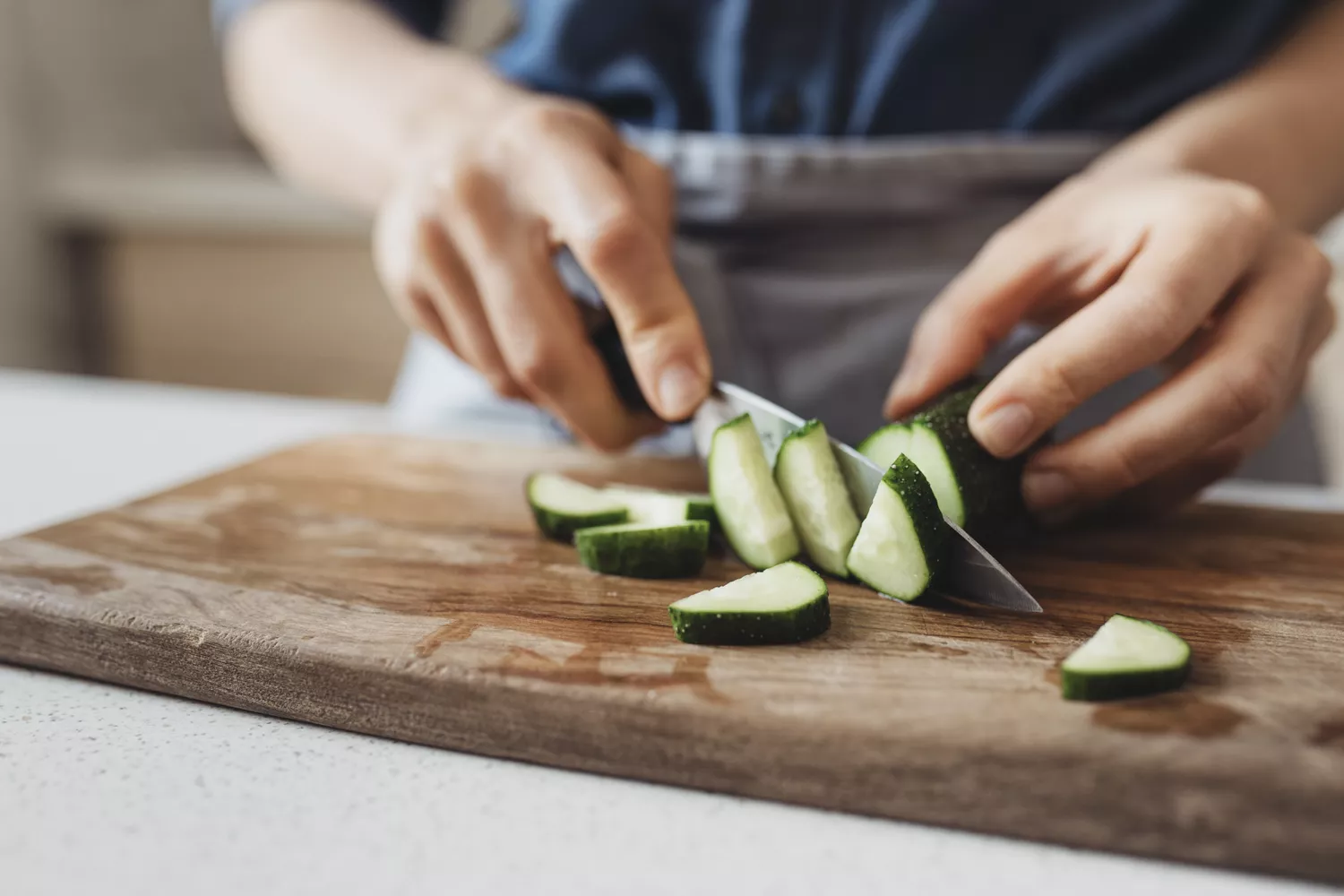
I ended up acquiring four wooden cutting boards, in numerous shapes and sizes and at a broad range of price points: the Larch Wood Classic Cutting Board from Sabǎvi Home, the Schmidt Bros 18″ Acacia End-Grain Cutting Board from Walmart, the Italian Olivewood Charcuterie & Cutting Board from Verve Culture, and the JF James.F Acacia Wooden Cutting Board from Amazon. And the density is so much more elegant than my thin plastic variations.
Increased Food Safety
Many people depend on the dishwashing machine and/or bleach for thoroughly cleaning up plastic cutting boards, which you may presume indicates it is an entirely sanitary choice– but that’s not the case. “Research has actually revealed that wooden cutting boards, when compared to plastic, are actually more secure due to the fact that they don’t harbor bacteria,” says Liam O’Rourke general manager at Larch Wood Enterprises Inc
. Knives Stay Shaper
Another thing I’ve noticed is that my knives, which utilized to dull so rapidly, are remaining sharper longer. “Woods like Acacia, Maple, Birch, or Walnut all act as terrific products to look for due to their softer composition,” states knifemaker Jared Schmidt, co-founder of Schmidt Brothers Cutlery. “The softness of natural Acacia wood is a friendly surface area for your blades, securing your edges from getting dull like those pesky plastic cutting boards.”
Less Noise
I really never ever recognized how loud and irritating my plastic cutting boards were– each time my knife would make contact, I ‘d flinch at the noise as it echoed in my kitchen area (and my scared-of-her-own-shadow schnauzer would flee the space). Now, slicing, chopping, and mincing is downright relaxing, as there’s just a soothing thud that emanates from each knife stroke. Wood cutting boards have actually made meal preparation less of a sensory overload after a long day and permit me to have a discussion or listen to a podcast while cooking with fewer interruptions.
Expense Savings
Wooden cutting boards range in rate, from $25 approximately $150 or more– even if you buy one at the greater end of that price range, you’ll still come out ahead economically throughout a year or more because you won’t need to keep purchasing plastic replacements. The set of plastic cutting boards I formerly purchased expense $25 and I had to change them at least twice a year.
What To Look For When Buying A Wooden Cutting Board
Consider the size of the surface area you require. “Size truly depends upon what you wish to utilize it for– slicing and chopping or providing food– and naturally, your counter and storage area,” says Jacquie Lewis, cofounder and CEO of Verve Culture. “I like to have several sizes as these not just are complimentary when utilized as serving pieces, but likewise you can select the best size for the function.”
Bamboo is a popular alternative and a highly sustainable product, however understand that it is a harder wood that will be harder on the blades’ edge and less friendly for your knife. “Olive wood is one of our favorites as it does not take on spots or smells,” says Lewis.
Lastly, learn the lingo, specifically the distinction in between end-grain and edge-grain cutting boards (spoiler: it has to do with the lumbar utilized). End-grain boards (which often lead to a checkerboard pattern) tend to be more knife-friendly and resistant to deep cuts (they are called “self-repairing), but will be more expensive and require a little extra TLC. Edge-grain is more affordable, however will reveal use quicker and dull knives quicker.
” Our end grain building gives us a self-healing board that is lighter, has a much more interesting grain pattern, is much gentler on knife edges, and, if effectively cared, for will last a lifetime,” says O’Rourke.
How To Care For Your Wooden Cutting Boards
A wood cutting board can last a long time if you treat it well, someplace between 5 and 10 years or more.
” Your wood cutting boards ought to be cleaned up, sterilized, and sealed after each use to preserve the board’s appearance, function and durability,” states Schmidt. Do not immerse the cutting board in liquids for extended durations of time, as this might cause splitting and a reduction board’s overall quality– wash the cutting board, then instantly dry with a dry fabric.
” To sterilize your board and kill any germs from meat or raw veggies, we recommend utilizing white vinegar,” he continues. “Apply a small amount to a dry fabric and spread over your cutting board. Once ended up, wipe away any excess vinegar.”
To polish and condition your cutting board and secure the natural wood surface, evenly disperse a small amount of food-grade mineral oil with a dry fabric once a month. Enable the oil to soak into the board for about 20 minutes, then clean away any excess oil with a tidy, dry fabric.